
Education & Resources

At Revolution Health, education is a core part of how we care for patients.

Our articles are designed to help you understand why symptoms happen, how different treatment options work, and what a thoughtful, evidence-informed approach to health looks like.

Whether you’re exploring care with our clinic, participating in an online program, or simply learning on your own, this resource center is here to support you.

CYP4F2 Gene Variant and Cardiovascular Risk: What Your CardiaX Result Means

CYP4F2 Gene Variant and Cardiovascular Risk: What Your CardiaX Result Means

The CYP4F2 gene polymorphism (rs2108622, V433M) alters vitamin K metabolism and blood pressure regulation, raising the risk of hypertension and cardiovascular disease. Here’s how to...
Read article
CYP11B2 Gene Polymorphism and Hypertension: Understanding Your CardiaX Result

CYP11B2 Gene Polymorphism and Hypertension: Understanding Your CardiaX Result

The CYP11B2 −344C/T polymorphism influences aldosterone synthesis, making carriers more prone to hypertension, left ventricular hypertrophy, and cardiovascular complications. Here’s what your CardiaX result means...

Read article
1q25 & Coronary Heart Disease in Diabetes: What Your CardiaX Result Means

1q25 & Coronary Heart Disease in Diabetes: What Your CardiaX Result Means

The 1q25 locus (rs10911021) sits near GLUL, the gene for glutamine synthetase. In people with type 2 diabetes, this variant associates with higher...
Read article
4q25 Gene Variant and Cardiovascular Risk: Understanding Your CardiaX Results

4q25 Gene Variant and Cardiovascular Risk: Understanding Your CardiaX Results

The 4q25 variant on CardiaX testing links to atrial fibrillation risk. Here’s how it works, what raises its impact, and evidence-based strategies to...

Read article
CTACK and Cardiovascular Disease Risk: What You Need to Know

CTACK and Cardiovascular Disease Risk: What You Need to Know

CTACK (Cutaneous T-cell Attracting Chemokine) is a key inflammatory marker measured on the SmartVascularDx PULS test. Elevated CTACK levels signal increased cardiovascular disease risk. Discover...
Read article
Eotaxin and Cardiovascular Disease Risk: What the PULS Test Reveals

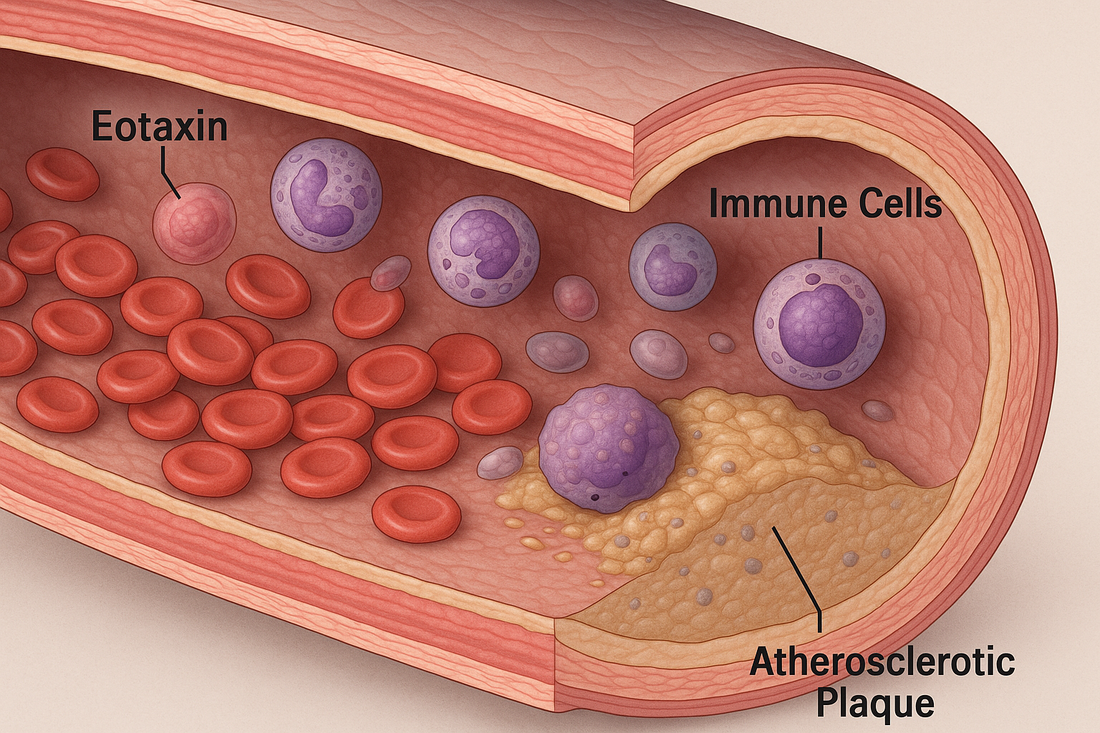
Eotaxin and Cardiovascular Disease Risk: What the PULS Test Reveals

Eotaxin is a key biomarker of vascular inflammation on the PULS test. Discover how it affects cardiovascular disease risk and how to lower it.

Read article

Want Personlized Guidance?

Education is powerful—but applying it correctly matters.

If you’re looking for individualized care, we offer in-person medical services, structured online programs, and professional-grade supplements to support your goals.

Start Here

Educational content is provided for informational purposes only and is not a substitute for individualized medical care.